A story by Sebastian Pearce based on the WordPress Daily Writing Prompt:


You wake at 6:47 AM, three minutes before your alarm. This is strategy number one: train your circadian rhythm to anticipate necessity. No jarring sounds, no cortisol spike. Just the gentle emergence from sleep like surfacing from warm water.
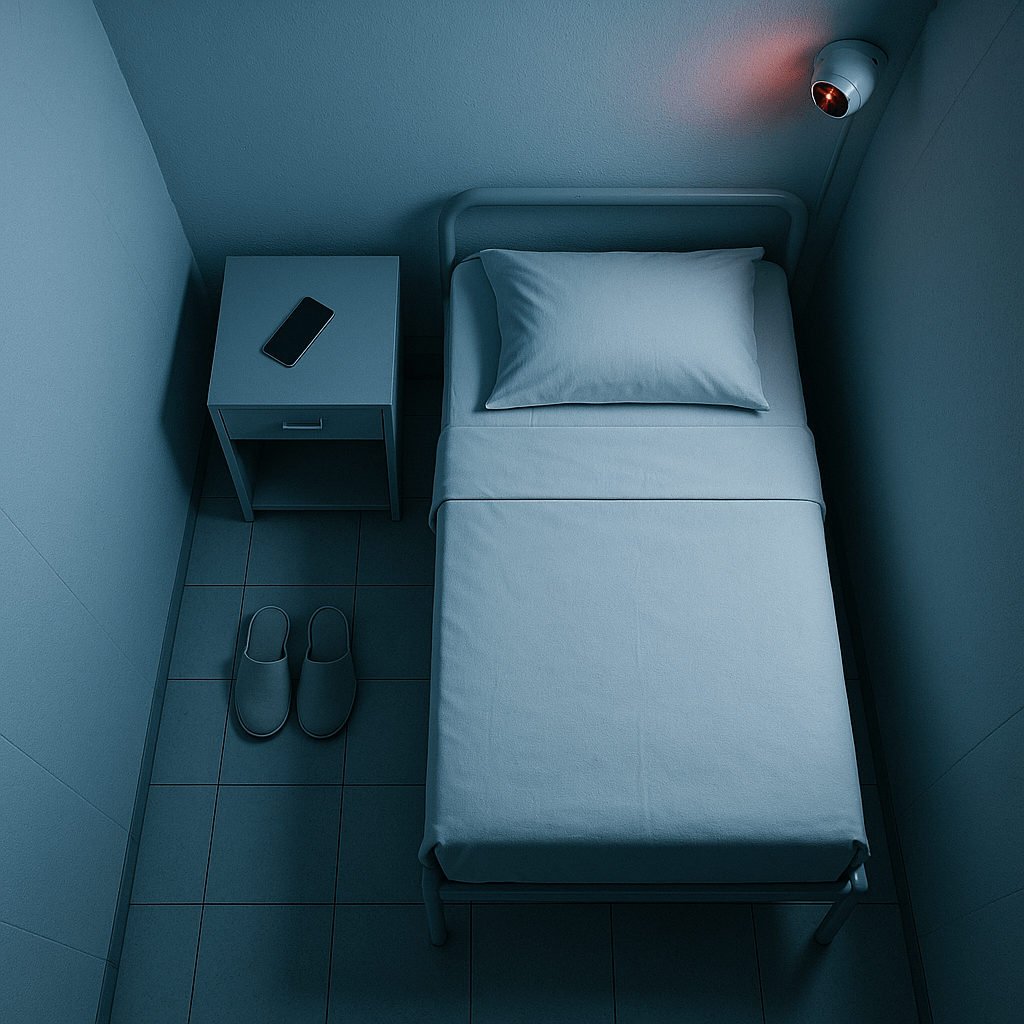
Your feet find the slippers positioned exactly twelve inches from the bed’s edge, angled thirty degrees toward the bathroom door. Strategy number two: eliminate decision fatigue through environmental design. Every morning object has its designated coordinates. The toothbrush, cap removed, waits beside the pre-measured toothpaste strip on the counter’s northeast corner.
In the kitchen, you prepare the same breakfast you’ve eaten for 847 consecutive days: steel-cut oats with precisely fourteen blueberries, arranged in two concentric circles. Strategy number three: routine as armor against chaos. Your body knows what to expect. Your digestive system operates like clockwork. No surprises, no discomfort.
The commute follows Route B, the path that avoids three traffic lights and reduces your average travel time by 2.3 minutes. Strategy number four: optimization through data collection. You’ve timed seventeen different routes to work, cataloged them in a spreadsheet color-coded by efficiency ratings. The colleagues who complain about unpredictable traffic simply haven’t applied scientific methodology to their problem.
At your desk, you check the weather forecast for tomorrow, then the day after, then the following week. Strategy number five: comfort through prediction. You pre-select your clothing based on temperature probabilities, keeping backup options in your car for unexpected precipitation. Weather anxiety simply doesn’t exist when you’ve planned for every scenario.
Lunch arrives at 12:30 PM sharp. Always the same sandwich from the same deli, ordered through the app to avoid human interaction variables. Strategy number six: minimize social friction. The cashier’s mood swings, the possibility of small talk, the chance they might be out of your preferred bread – all eliminated through technological buffer zones.
Your afternoon productivity peaks between 2:17 PM and 4:43 PM. Strategy number seven: biorhythm tracking. You’ve monitored your energy levels for months, identified your optimal performance windows. Important tasks get scheduled during peak hours. Mindless busywork fills the valleys.
Evening follows the same choreographed sequence: dinner at 6:15 PM, shower at 7:30 PM, reading from 8:00 PM to 9:15 PM. Strategy number eight: time-blocking for psychological security. When every moment has its designated purpose, anxiety has nowhere to take root.
Before bed, you review tomorrow’s schedule, lay out tomorrow’s clothes, set out tomorrow’s breakfast components. Strategy number nine: future-proofing against morning stress. You’ve eliminated every possible source of next-day uncertainty.
Your smartphone charges on the nightstand’s southeast corner, screen facing down, notifications disabled. Strategy number ten: curate your sensory environment. No blue light, no phantom vibrations, no digital interruptions to your circadian programming.
The pillow cradles your head at the precise angle that prevents neck strain. The room temperature holds steady at 67.5 degrees Fahrenheit. The blackout curtains block every photon of external light. Strategy number eleven: optimize your sleep environment for maximum restorative potential.
As consciousness fades, you feel the familiar satisfaction of another day perfectly executed. Another 24 hours of variables controlled, uncertainties eliminated, comfort maximized through systematic planning.
You close your eyes and drift toward sleep, unaware that in the control room three floors below, Dr. Chen is making notes on Subject 847’s behavioural patterns. Unaware that tomorrow, like every day for the past two years and four months, you’ll wake in the same climate-controlled chamber, perform the same carefully scripted routine, and believe with absolute certainty that you’re living in the comfort of your own optimized life.
The experiment in perceived autonomy continues to exceed all expectations.
© Sebastian Pearce 2025
 Sebastian Pearce - Flash Fiction and Sports Betting. What can go wrong?
Leave a comment